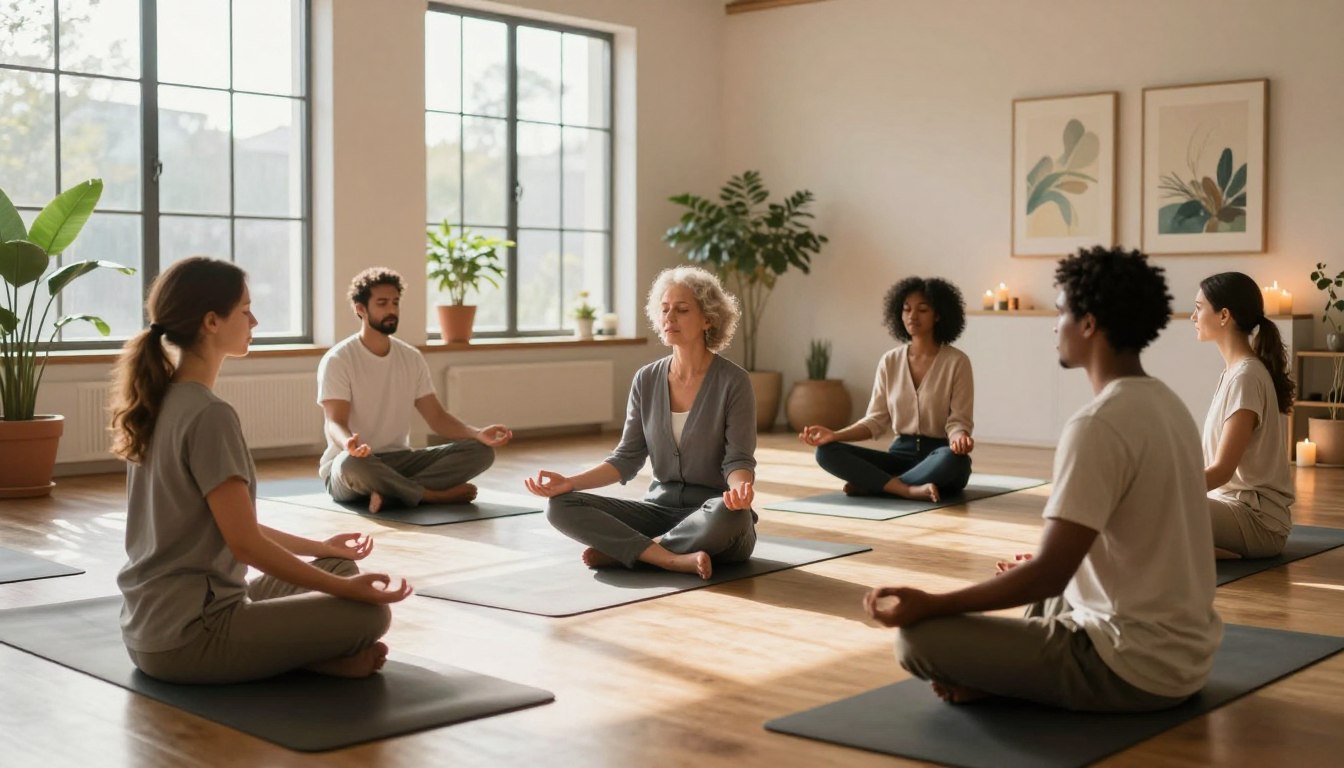
Are you feeling overwhelmed by the demands of modern life? Can a simple practice really make a difference in your overall well-being? In today’s fast-paced world, it’s easy to get caught up in stress and anxiety.
Mindfulness courses offer a powerful tool to regain control and find calm. By incorporating mindfulness practices into your daily routine, you can reduce stress, improve focus, and enhance your overall quality of life.
By exploring mindfulness training programs, you can discover new ways to cultivate a sense of calm and clarity. This can lead to a more balanced and fulfilling life.
Key Takeaways
- Reduce stress and anxiety through mindfulness practices
- Improve focus and concentration with regular mindfulness exercises
- Enhance overall well-being by incorporating mindfulness into daily life
- Discover new ways to cultivate calm and clarity
- Achieve a more balanced and fulfilling life through mindfulness training
The Science and Benefits of Mindfulness Practice
By delving into the science behind mindfulness, we can uncover the mechanisms that make it an effectivestress management trainingtechnique. Mindfulness practice has been shown to have a profound impact on both mental and physical health.
How Mindfulness Affects Your Brain and Body
Mindfulness practice alters the brain’s structure and function, particularly in areas related to attention, emotion regulation, and memory. Regular mindfulness practice can lead to increased grey matter in the brain, enhancing cognitive functions.
Research-Backed Benefits for Mental Health
The benefits of mindfulness for mental health are well-documented. Studies have shown that mindfulness can reduce symptoms of anxiety and depression, improve emotional regulation, and enhance overall mental well-being. Mindfulness coaching programs often focus on these aspects to help individuals manage stress and improve their mental health.
Physical Health Improvements from Regular Practice
Regular mindfulness practice is also associated with various physical health benefits, including lower blood pressure, improved sleep quality, and a stronger immune system. By incorporating mindfulness into their daily routine, individuals can experience these benefits firsthand, contributing to an overall improvement in their quality of life.
Exploring Different Mindfulness Training Programs
Mindfulness training programs come in various forms, catering to different needs and preferences. Whether you’re an individual seeking personal growth or a corporation aiming to reduce workplace stress, there’s a mindfulness program designed for you.
Structured Mindfulness-Based Stress Reduction (MBSR) Courses
MBSR courses are a well-established form of mindfulness training, originally developed to help patients cope with chronic pain and stress. These programs are typically structured over several weeks, providing a comprehensive introduction to mindfulness practices.
Program Structure and Time Commitment
MBSR programs usually span 8 weeks, with weekly sessions lasting 2-3 hours. Participants are also expected to commit to daily home practice, typically around 45 minutes per day.
What to Expect in Each Session
Each session in an MBSR course typically includes guided meditations, gentle yoga or stretching exercises, and group discussions. Participants learn various mindfulness techniques, including body scan meditation and mindful movement.
Online Mindfulness Workshops and Apps
For those who prefer flexibility or have limited access to in-person programs, online mindfulness workshops and apps offer a convenient alternative. Popular platforms like Headspace and Calm provide guided meditations and structured programs that can be accessed anywhere, at any time.

Corporate Mindfulness Training Options
Many companies are now incorporating mindfulness training into their employee wellness programs. Corporate mindfulness training can be tailored to meet the specific needs of an organization, often including workshops on stress reduction, focus improvement, and team building.
“Mindfulness is not just a personal practice; it’s a powerful tool for creating a more compassionate and productive workplace.”
Immersive Mindfulness Retreats
For a more intensive mindfulness experience, retreats offer a chance to step away from daily life and focus on deepening your practice. These retreats can range from a weekend to several weeks or even months, often taking place in serene natural settings.
| Program Type | Duration | Key Features |
|---|---|---|
| MBSR Courses | 8 weeks | Guided meditations, yoga, group discussions |
| Online Workshops | Flexible | Guided meditations, apps, online support |
| Corporate Training | Varies | Customized workshops, stress reduction, team building |
| Mindfulness Retreats | Weekend to months | Intensive practice, serene settings, community |
How to Choose the Right Mindfulness Program for Your Needs
The journey to mindfulness begins with choosing a program that resonates with your objectives and challenges. With a myriad of options available, making an informed decision can seem daunting.
Assessing Your Personal Goals and Challenges
Start by identifying what you hope to achieve through mindfulness practice. Are you seeking stress reduction, improved focus, or emotional regulation? Understanding your goals will help narrow down the type of mindfulness courses that would be most beneficial.
Evaluating Teacher Credentials and Approach
The expertise and teaching style of the instructor can significantly impact your learning experience. Look for programs led by experienced professionals with a background in mindfulness instruction. Some programs may also offer guided meditation sessions tailored to specific needs.
Considering Format, Time Commitment, and Accessibility
Mindfulness programs come in various formats, including online courses, workshops, and retreats. Consider how much time you can dedicate to the program and whether it fits your schedule. Online programs, for instance, offer flexibility and accessibility.
Budget Considerations and Value Assessment
Lastly, evaluate the cost of the program against the value it provides. Some programs may offer free introductory sessions or sliding scale fees. Compare the benefits and costs to determine the best value for your investment.
| Program Type | Time Commitment | Cost |
|---|---|---|
| Online Mindfulness Courses | Flexible | $100-$300 |
| Mindfulness Workshops | 1-3 days | $200-$500 |
| Mindfulness Retreats | 3-7 days | $500-$1,500 |
By carefully considering these factors, you can select a mindfulness program that meets your needs and supports your journey towards greater well-being.
Step-by-Step Guide to Beginning Your Mindfulness Practice
Embarking on a mindfulness journey can be a life-changing experience, and with the right guidance, you can establish a consistent practice. Mindfulness training programs provide a structured approach to developing greater self-awareness and reducing stress. As you begin, it’s essential to create a conducive environment and schedule that fosters your growth.
Creating Your Dedicated Practice Space
A dedicated space for mindfulness practice helps in minimizing distractions and creating a peaceful atmosphere. This space should be quiet, comfortable, and free from interruptions.
Essential Equipment and Setup
To set up your practice space, you’ll need a few essential items. A cushion or chair for sitting, a quiet area, and perhaps a meditation timer or guided meditation app can be helpful. Keep the space clean and clutter-free to promote a sense of calm.
Minimizing Distractions
To minimize distractions, consider using a room divider or placing your practice area in a corner. You can also use noise-cancelling headphones or play calming music in the background. Consistency is key, so try to practice at the same time every day.

Establishing a Sustainable Practice Schedule
Establishing a regular practice schedule is crucial for making mindfulness a habit. Start with a manageable daily commitment, such as 10-15 minutes, and gradually increase the duration as you become more comfortable with the practice.
Starting with Basic Guided Meditation Sessions
Guided meditation sessions can be incredibly helpful for beginners. They provide a gentle guidance through the meditation process, helping you stay focused. You can find numerous guided meditation sessions online or through mindfulness apps.
Tracking Progress and Overcoming Common Obstacles
Tracking your progress can be motivating. Keep a journal to note your experiences, feelings, and any challenges you face. Common obstacles include finding time and dealing with a restless mind. Be patient with yourself, and remember that it’s a journey.
By following these steps and being consistent, you can develop a mindfulness practice that brings you greater peace and self-awareness. Mindfulness training programs and guided meditation sessions are valuable resources to support your journey.
Core Techniques Taught in Effective Mindfulness Training Programs
The foundation of successful mindfulness training lies in its core techniques, which are designed to foster a greater sense of presence and awareness. These techniques form the backbone of various mindfulness programs, including those focused on stress management training and mindfulness coaching.
Breath Awareness Meditation
Breath awareness meditation is a fundamental technique that involves focusing one’s attention on the breath. This simple yet powerful practice helps in calming the mind and reducing stress.
Step-by-Step Instructions
- Find a quiet and comfortable place to sit.
- Close your eyes and take a few deep breaths.
- Focus your attention on the sensation of the breath moving in and out of the body.
- Gently bring your mind back to the breath whenever it wanders.
Common Challenges and Solutions
One common challenge is mind wandering. The solution is to gently acknowledge the distraction and refocus on the breath without judgment.
Body Scan Practice
Body scan practice involves lying down or sitting comfortably and bringing awareness to different parts of the body, starting from the toes and moving up to the head. This technique helps in releasing physical tension and promoting relaxation.
Mindful Movement and Walking Meditation
Mindful movement, such as yoga or tai chi, and walking meditation involve paying attention to the sensations in the body while moving. These practices help in cultivating awareness and balance.
Informal Mindfulness for Daily Activities
Informal mindfulness involves bringing awareness to daily activities such as eating, showering, or walking. By paying attention to the sensations and experiences in these activities, one can turn routine tasks into mindfulness practices.
| Mindfulness Technique | Primary Benefit | Recommended Practice Frequency |
|---|---|---|
| Breath Awareness Meditation | Reduces stress and anxiety | Daily, 10-15 minutes |
| Body Scan Practice | Relaxes the body and mind | 3-4 times a week, 20-30 minutes |
| Mindful Movement/Walking Meditation | Improves balance and awareness | 2-3 times a week, 30-45 minutes |
Specialized Mindfulness Training for Specific Needs
The versatility of mindfulness training is evident in its adaptation to various specific needs and challenges. As individuals face unique life circumstances, specialized mindfulness programs have emerged to address these diverse requirements effectively.

Programs for Anxiety and Depression Management
Mindfulness-based interventions have been shown to be particularly effective in managing anxiety and depression. Programs tailored to these mental health challenges often incorporate cognitive-behavioral techniques and guided meditation to help individuals develop coping strategies and improve their mental well-being.
Mindfulness Coaching for Performance Enhancement
For individuals seeking to enhance their performance in various domains, such as sports or business, mindfulness coaching offers a valuable tool. By cultivating focus and resilience, individuals can achieve higher levels of performance and satisfaction.
Chronic Pain and Illness-Focused Programs
Mindfulness training has been adapted to help individuals manage chronic pain and illness. These programs focus on developing pain management techniques and improving quality of life through mindfulness practices.
Relationship and Family Mindfulness Training
Mindfulness is also being applied to improve relationships and family dynamics. By promoting emotional intelligence and effective communication, these programs help individuals build stronger, more resilient relationships.
In conclusion, specialized mindfulness training programs offer a range of benefits tailored to specific needs, from mental health management to performance enhancement and relationship improvement. By exploring these options, individuals can find the mindfulness approach that best suits their unique challenges and goals.
Conclusion: Creating a Sustainable Mindfulness Practice
As we’ve explored throughout this article, mindfulness training programs offer a wealth of benefits for both mental and physical well-being. By understanding the science behind mindfulness, exploring different training options, and learning core techniques, you’re well on your way to establishing a meaningful practice.
To create a sustainable mindfulness practice, commit to regular sessions, even if it’s just a few minutes each day. Utilize mindfulness training programs that fit your lifestyle, whether it’s through online workshops, mobile apps, or guided meditations. As you continue on your mindfulness journey, you’ll find that it becomes an integral part of your daily routine, enhancing your overall quality of life.
By incorporating mindfulness into your daily life, you’ll be better equipped to handle life’s challenges, improve your focus, and cultivate a deeper sense of calm and clarity. Explore various mindfulness training programs to find what works best for you, and enjoy the many rewards that mindfulness has to offer.